

Future Tech from Longtime Manufacturer
This content was paid for by NGK and produced in partnership with the Los Angeles Times Commercial department.
NGK Corporation is positioning more than a century of ceramics expertise at the center of the semiconductor race, the AI boom, and the next generation of carbon-neutral infrastructure.
Building the Next Growth Cycle
Once known globally as NGK Insulators, NGK Corporation –having officially changed its name to NGK Corporation in April 2026– is undergoing one of the most significant transformations in its more than century-long history. Founded in 1919, NGK has spent more than a century developing advanced ceramics technologies capable of operating in some of the world's harshest industrial environments, including extreme temperatures, corrosive chemicals, and high-voltage applications.
The recent corporate rebranding reflects a broader strategic shift beyond the company's legacy identity in electrical insulators. Today, NGK is increasingly focused on advanced technologies supporting artificial intelligence infrastructure, semiconductor supply chains, and the transition to a lower-carbon economy.
That transformation accelerated further on May 28, 2026, when the company announced its Long-Term Management Plan 2026-2035. At its core is an ambitious goal: achieving $8.2 billion in net sales by FY2035, nearly double FY2025 levels. The plan reflects NGK's confidence that advanced ceramics will play an increasingly important role in the technologies shaping the future, from digital infrastructure to carbon-neutral solutions.
Today, NGK's business spans a diverse portfolio of technologies, including electrical insulators for power infrastructure, ceramic products for emissions control, and advanced ceramic components used in semiconductor manufacturing. While these businesses serve very different industries, they are united by the company's expertise in developing materials capable of performing reliably under demanding operating conditions.
“We are positioning 2035 as a critical milestone on our Road to 2050,” said President Shigeru Kobayashi. “By accelerating growth through the Digital Society domain and maximizing profitability in our existing businesses, while steadily laying the groundwork for Carbon Neutrality, we will transform our business structure and achieve our next leap forward.”
Powering the Semiconductor Era
That expertise is now gaining renewed relevance as semiconductors become central to economic security and artificial intelligence infrastructure. While investors initially focused on chip designers and manufacturers, attention has increasingly moved deeper into the supply chain – toward the companies enabling the manufacturing process itself.
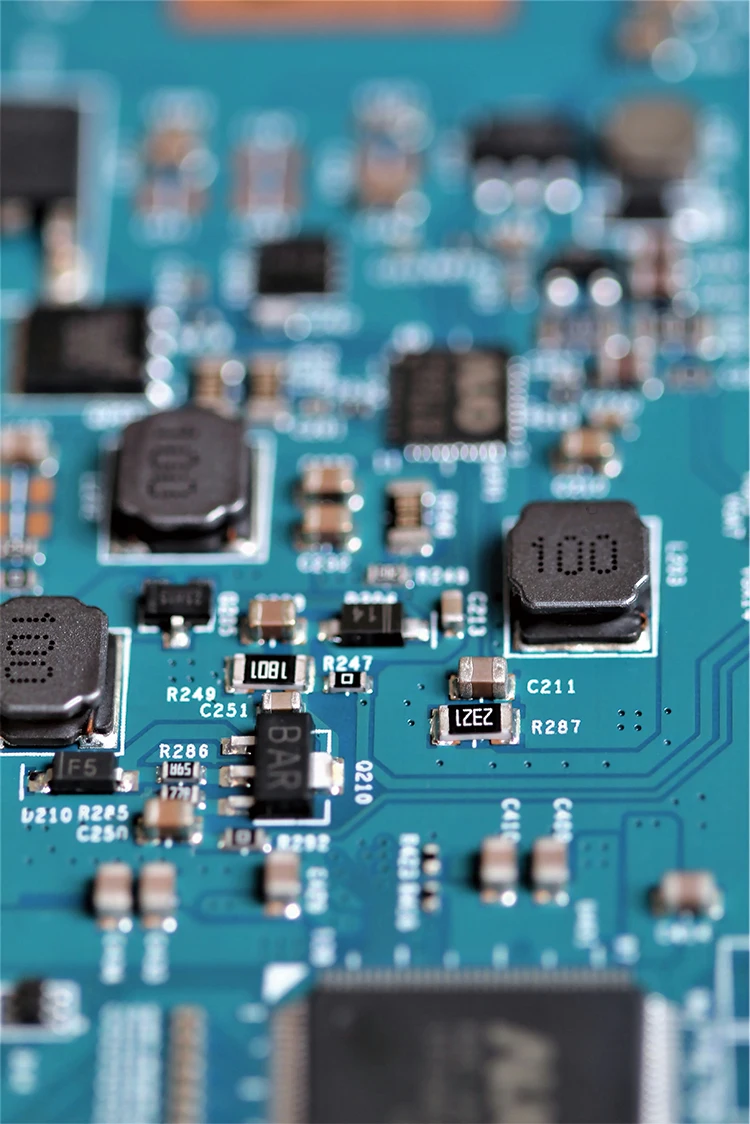
NGK has emerged as a critical supplier within the semiconductor manufacturing ecosystem. The company develops advanced ceramic components used in semiconductor production equipment, supporting highly specialized processes that require extreme precision, durability, and resistance to harsh operating environments.
“It was only recently that people started recognizing the importance of the broader semiconductor manufacturing ecosystem,” Kobayashi said. “Attention first focused on semiconductor companies themselves, but it has increasingly expanded toward the manufacturing equipment sector and the highly specialized technologies supporting those processes.”
The geopolitical fragmentation of semiconductor supply chains has accelerated that demand. As the United States, Japan, South Korea, and Europe all push to localize semiconductor production capacity, investment in manufacturing equipment has surged.
“Everyone wants semiconductor autonomy now,” Kobayashi said. “That means they are buying enormous amounts of semiconductor manufacturing equipment, and that is very positive for our business.”
The timing has fundamentally changed NGK's market perception. Just a few years ago, investors questioned whether the company had a long-term future, particularly amid aggressive projections that battery electric vehicles would rapidly replace internal combustion engines. “A few years ago, amid the acceleration of EV adoption, there were concerns about the future outlook for products related to internal combustion engines,” Kobayashi said.
NGK's automotive and semiconductor businesses continue to provide a solid earnings foundation for the company. Leveraging that strength, NGK is actively investing in its Digital Society domain to drive sustainable long-term growth through advanced semiconductor and digital infrastructure technologies.
Reinventing Ceramics
“Digital society comes first,” Kobayashi said. “But carbon neutrality will definitely come afterwards. These two fields will create a solid foundation for the company in the future.”
That dual-track strategy reflects NGK's long-term view of industrial transformation. Through 2030, the company sees digital infrastructure and semiconductors as the dominant growth driver. Beyond 2035, management expects decarbonization technologies to emerge as the next major wave.
The challenge is that ceramics innovation historically moved slowly. Developing new materials often required a decade or more of experimentation, limiting the pace at which companies could respond to rapidly evolving industries.
NGK is now trying to compress that timeline dramatically through artificial intelligence. For more than 100 years, the company accumulated experimental data from ceramic research and development. Previously, much of that knowledge existed informally inside engineers' notebooks and individual experience. Today, NGK is digitizing those archives and integrating them into AI-driven development systems. “What used to take 10 years in materials development, we want to shorten to one-tenth,” Kobayashi said.
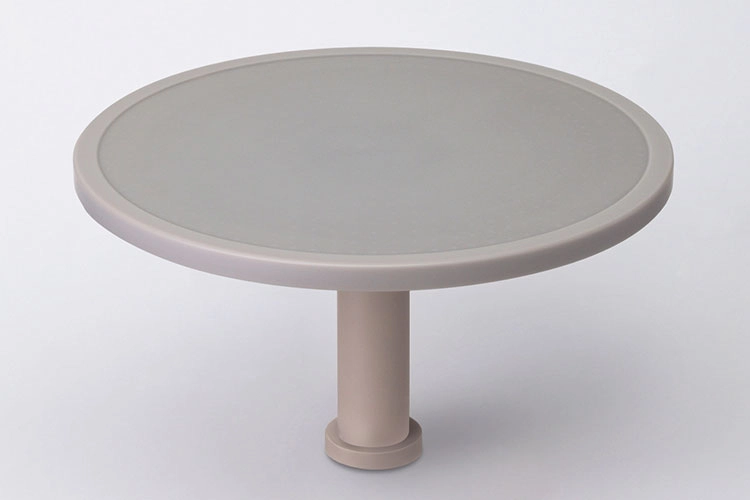
The initiative could become transformative for advanced manufacturing. Ceramics remain essential in environments involving extreme temperatures, high voltage, corrosive chemicals, and long-term reliability – conditions increasingly common in semiconductors, energy systems, and industrial decarbonization technologies. “Whenever organic materials fail, ceramics become necessary,” Kobayashi said. “While cost remains a challenge, it reflects the added value of reliability and durability.”

Beyond the EV Narrative
The company now hopes to apply those capabilities to future carbon-neutral technologies, including direct air capture (DAC) systems designed to remove CO2 directly from the atmosphere, and continues investing heavily in next-generation energy systems. “To reduce CO2 is absolutely necessary,” Kobayashi said. “We do not yet know which technologies will ultimately dominate – hydrogen, ammonia, methane, or something else – but reducing carbon emissions will definitely create opportunity.”
That mindset reflects a broader strategy shared by many advanced manufacturing companies in Japan: focusing on highly specialized markets where performance requirements are so demanding that technical capability matters more than price alone.
In fields such as semiconductors, manufacturers often require materials capable of withstanding extreme temperatures, corrosive chemicals, high voltages, and exceptionally tight production tolerances. Meeting those requirements depends on advanced materials design, precision manufacturing processes, and years of accumulated testing and validation.
“There are manufacturing processes that require extremely sophisticated engineering and accumulated technical experience,” Kobayashi said.
In ceramics, those challenges become even more pronounced because small differences in material composition or production conditions can significantly affect performance. “The ability to solve highly specialized industrial challenges will remain one of Japan's most important competitive strengths in the global economy,” Kobayashi said.

Solving the Impossible
NGK is now actively seeking international partnerships capable of pushing those technological boundaries further. Kobayashi repeatedly emphasized the company's desire to work with customers facing exceptionally difficult engineering problems. “We need customers with boldrequests,” he said with a laugh.
Those collaborations increasingly define NGK's innovation model. Rather than attempting to create entirely new markets independently, the company works alongside customers already confronting technical limitations in existing materials and manufacturing processes. “If somebody has a problem that glass or organic materials cannot solve, then they come to us,” Kobayashi said. “Even things that seem impossible, but many times, after several years, we find a way.”
That ability to solve highly specialized industrial challenges may ultimately become one of Japan's most valuable competitive advantages in the global economy. While the country has often been criticized for cautious corporate decision-making and understated communication, its manufacturers continue to dominate many hidden layers of advanced industrial supply chains.“The good part of Japanese companies is not always well known,” Kobayashi said. “But companies here have a history of creating value not only for themselves, but also for customers and society.”
As artificial intelligence, semiconductors, and decarbonization reshape global industry simultaneously, NGK believes advanced ceramics will move from invisible infrastructure to strategic necessity. And after more than a century of operating quietly behind the scenes, the market is finally starting to notice.